Lung
The power of every breath
Helping people live better, one breath at a time.
The world shrinks when you can’t catch your breath. Exercise, errands, and activities that once brought joy and connection feel just out of reach when you simply need to get through the day.
One in five people in Canada live with a serious respiratory disease. More than 40 years ago, St. Paul’s Hospital became the launch pad for a new age in lung research.
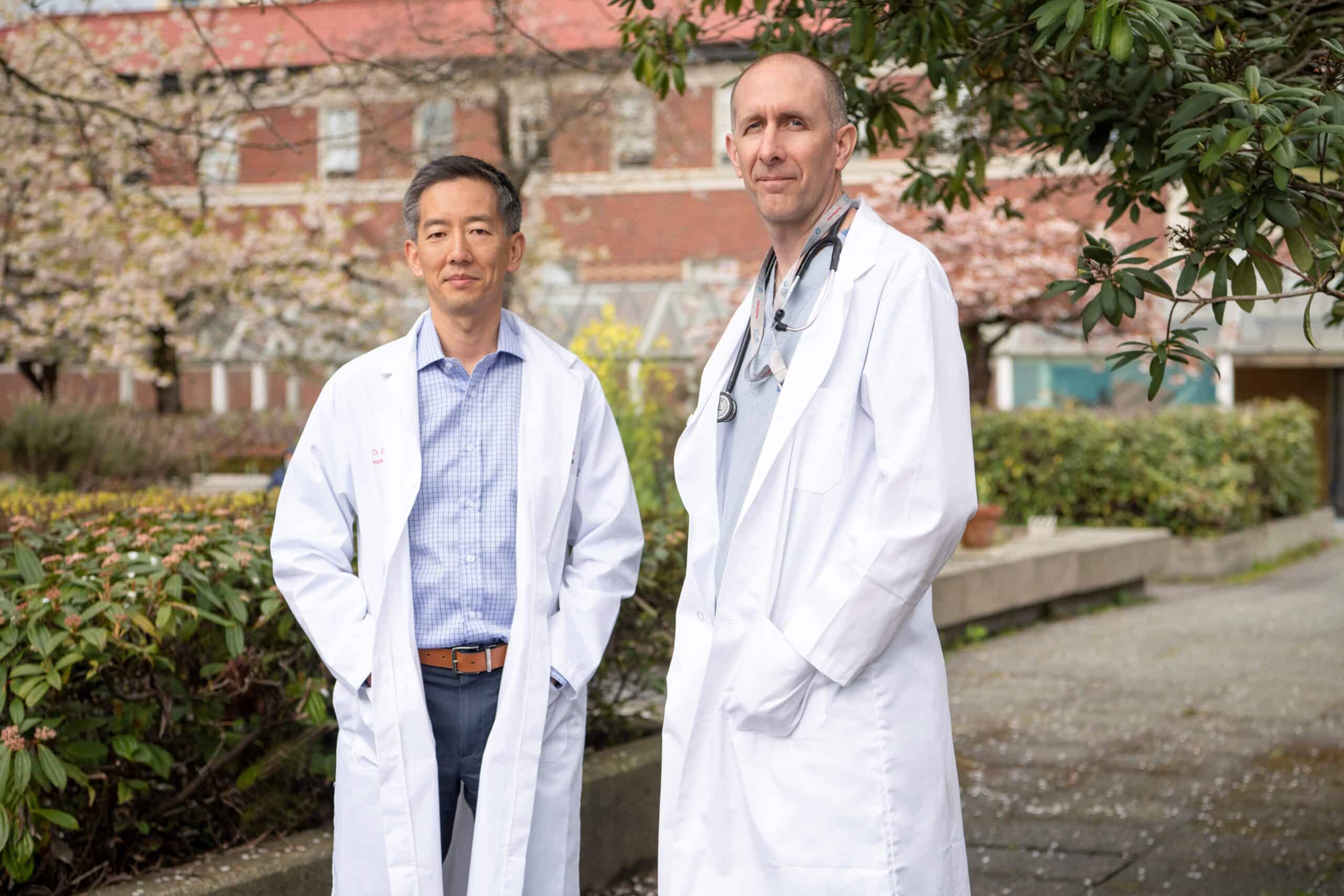
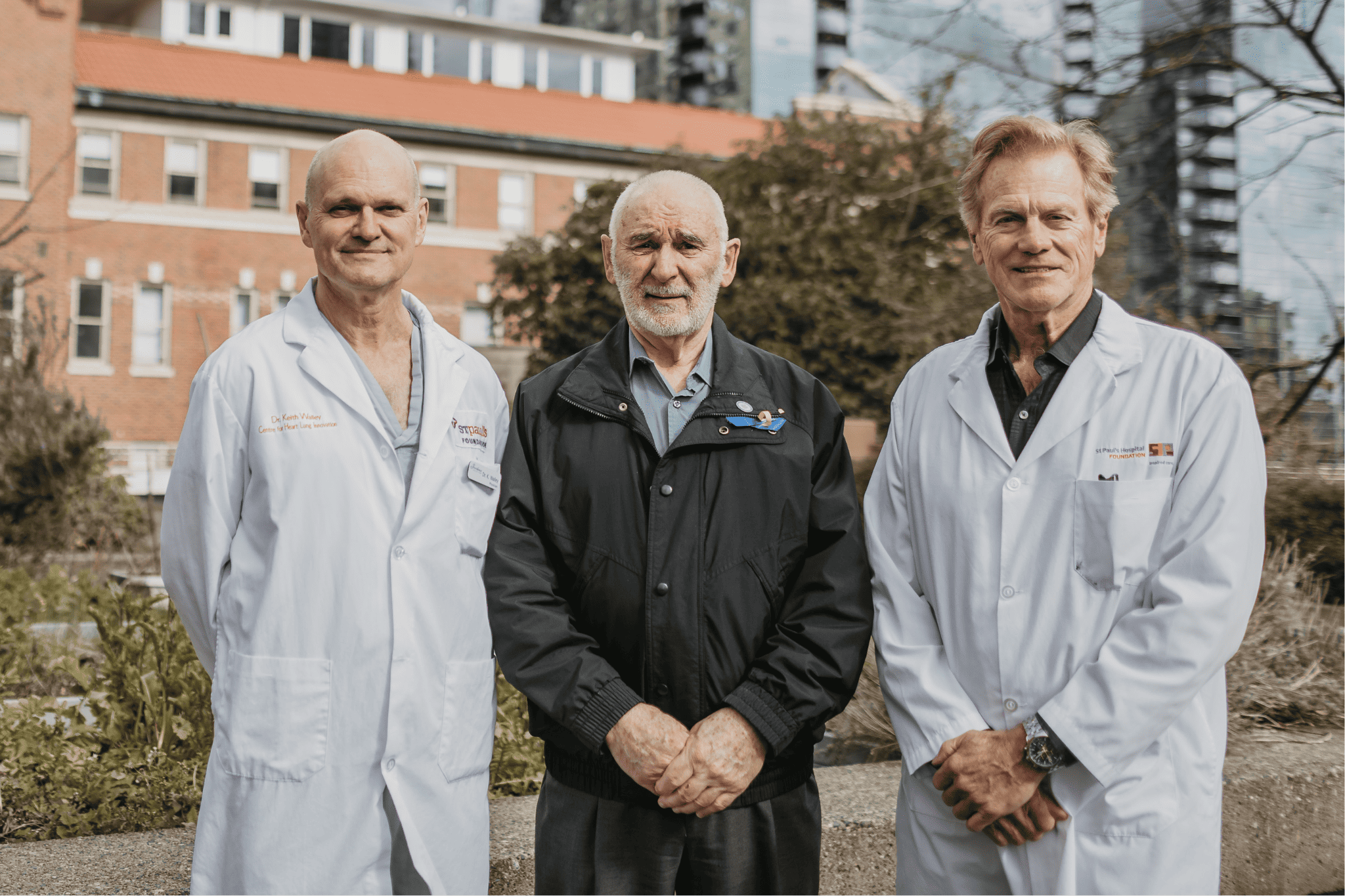
It all started when Dr. James Hogg founded the Centre for Heart Lung Innovation (HLI). There were two principal investigators and a single trainee.
Today, HLI has the largest chronic lung disease program in Canada with 38 investigators, 145 students and fellows, 21 named research chairs, and 6 prestigious Canada Research Chairs.
HLI is ranked first in Canada and third in the world in chronic obstructive pulmonary disease (COPD) and asthma research. HLI’s director, Dr. Don Sin, is ranked first in Canada and second in the world. This is a big deal: COPD is the number one cause of hospital admissions and the third most common cause of death in Canada.
Setting the standard
Our goal is to turn respiratory disease research discoveries into patient benefits - fast.
Our clinical care and research programs have dramatically impacted the quality and length of life of British Columbians with lung disease. Practices developed here have since been adopted around the world.
We are a UBC-affiliated, globally-recognized research hub renowned for the research and treatment of lung cancer, asthma, cystic fibrosis (CF), pulmonary fibrosis (PF) and sarcoidosis, emphysema, chronic obstructive pulmonary disease (COPD), pneumonia, and long-COVID.
Some of our recent, critical breakthroughs include:
- Dr. Bradley Quon was a lead investigator of a transformative new drug called Trikafta designed for patients living with cystic fibrosis. The clinical trial led by Dr. Quon contributed to Trikafta’s approval in Canada. It’s now widely available across the country – helping thousands of Canadians breathe and live better lives.
- Dr. Tillie Hackett discovered that damage from chronic obstructive pulmonary disease (COPD) starts much sooner than previously thought. This breakthrough allows researchers to develop new drugs that can treat COPD in its earliest stages, when the disease is reversible.
Respirologists Dr. Chris Ryerson and Dr. Alyson Wong established our first Post-COVID Respiratory Clinic and research program, which later expanded to our Post-COVID Recovery Clinic to address the full scope of the illness. Their research, in collaboration with hospitals across the country, was the first to show a correlation between auto-antibodies (proteins that can cause harmful reactions in our bodies) and long COVID.
Our strengths
A trio of research, expertise, and compassionate patient care.
For more than four decades, our discoveries have fundamentally changed our understanding of lung disease and how we care for patients.
Biobanks and Big Data
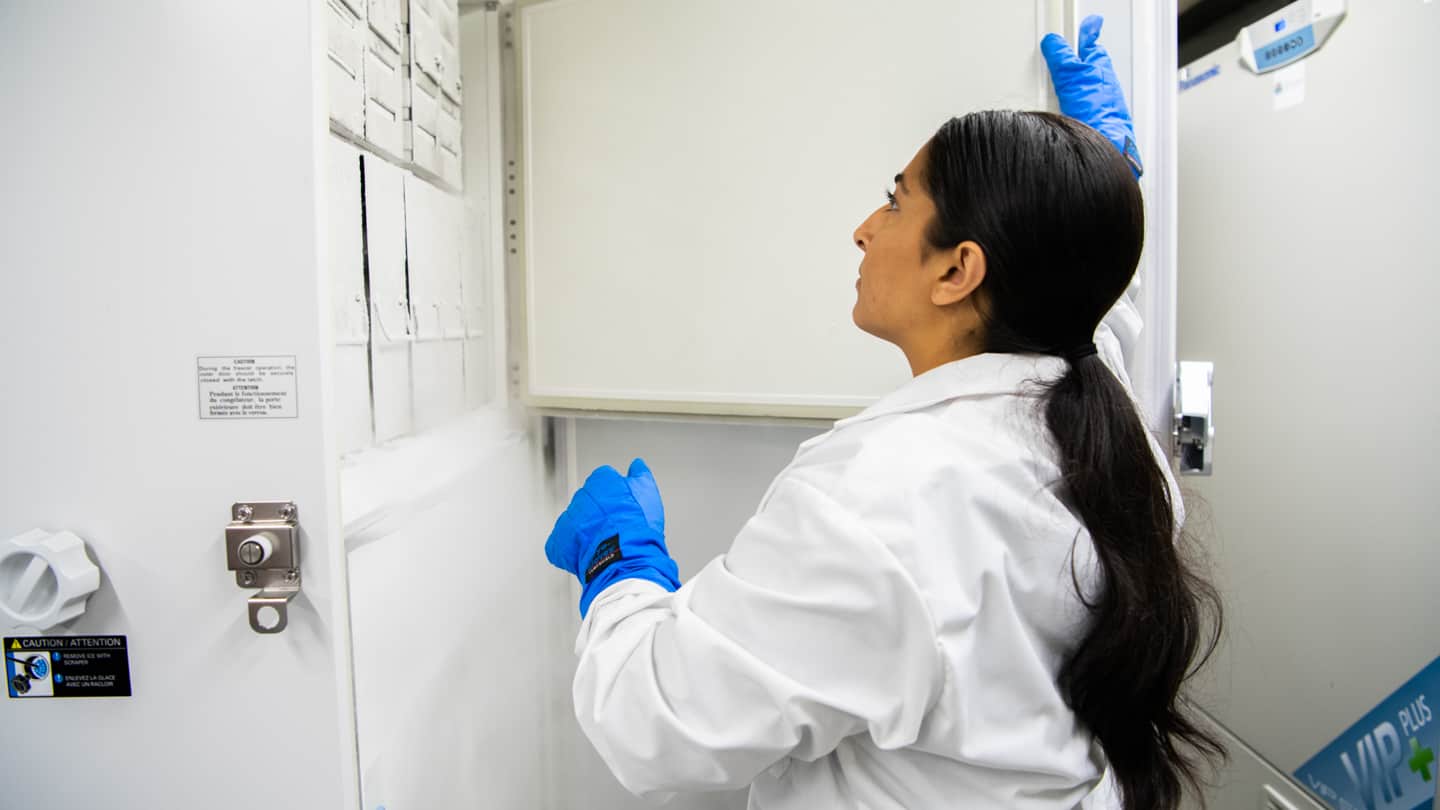
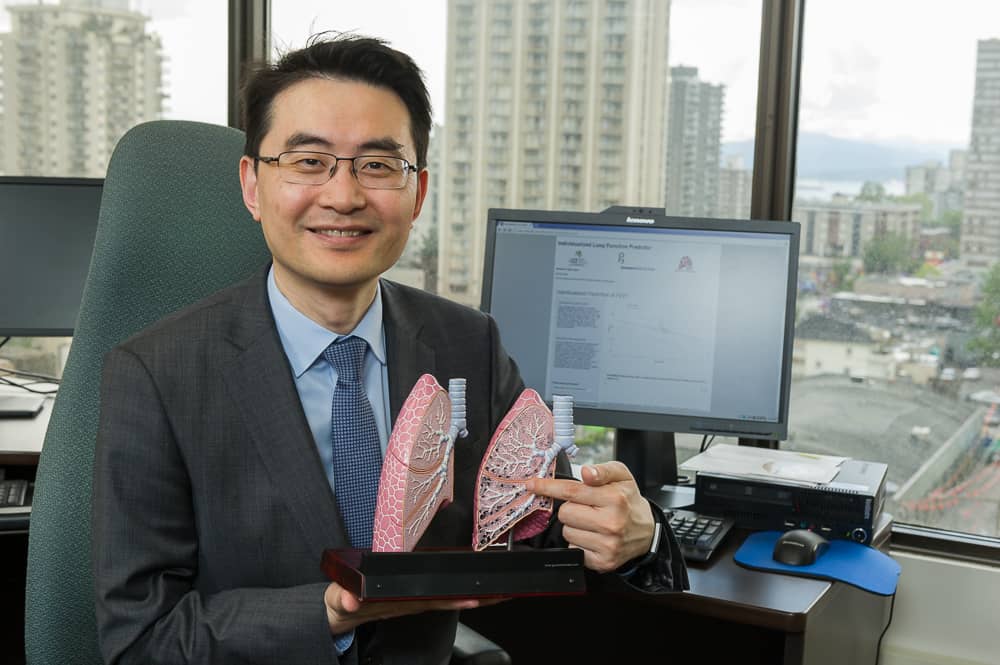
St. Paul’s Lung Tissue Biobank is one of the largest in the world with more than 3 million samples. Today we can observe, track, measure, record, and analyze countless characteristics related to patients and treatments.
Our biobank supports research from all over the world, including studies at Johns Hopkins and the Cleveland Clinic. The more we know about you and others with the same illness, the more we can move toward personal diagnoses and treatments where therapies are custom-built to meet individual needs.
Provincial Leadership
People from across British Columbia rely on St. Paul’s for specialized respiratory care services. Our clinician scientists at the Centre for Heart Lung Innovation and the Pacific Lung Health Centre are provincial and, in many cases, international leaders in their fields. These centers include a wide array of specialty outpatient clinics for airway diseases and pulmonary fibrosis.
The Lung Centre at the new Jim Pattison Medical Campus will further extend the leadership and provincial reach of St. Paul’s lung programs.
While there is no known cure for many lung diseases, St. Paul’s Hospital researchers and clinicians are making steady progress in both understanding the diseases and in developing diagnostic tools and treatments that can slow disease progression, reduce symptoms, and improve quality of life.
Thanks to the incredible clinician-researchers at St. Paul’s, people with lung disease in BC – and beyond – can breathe a little easier.
Cystic Fibrosis
Enhancing quality of life for people living with cystic fibrosis
Cystic fibrosis (CF) is an inherited disorder that causes severe damage to the lungs, digestive system, and other organs. Treatments are aimed at slowing the disease’s progression and preserving quality of life.
Not that long ago, CF was a death sentence: most patients didn’t live to adulthood. Thanks to modern therapies and the research at St. Paul’s Hospital, patients are living full lives; many live to be seniors.
St. Paul’s is home to the largest adult cystic fibrosis clinic in the province, and its clinicians are working on a cure for this challenging disease.

Dr. Bradley Quon, a respirologist, clinician scientist, and medical director of the St. Paul’s Hospital Adult CF Care Program, is among those looking for better treatments and an eventual cure for CF.
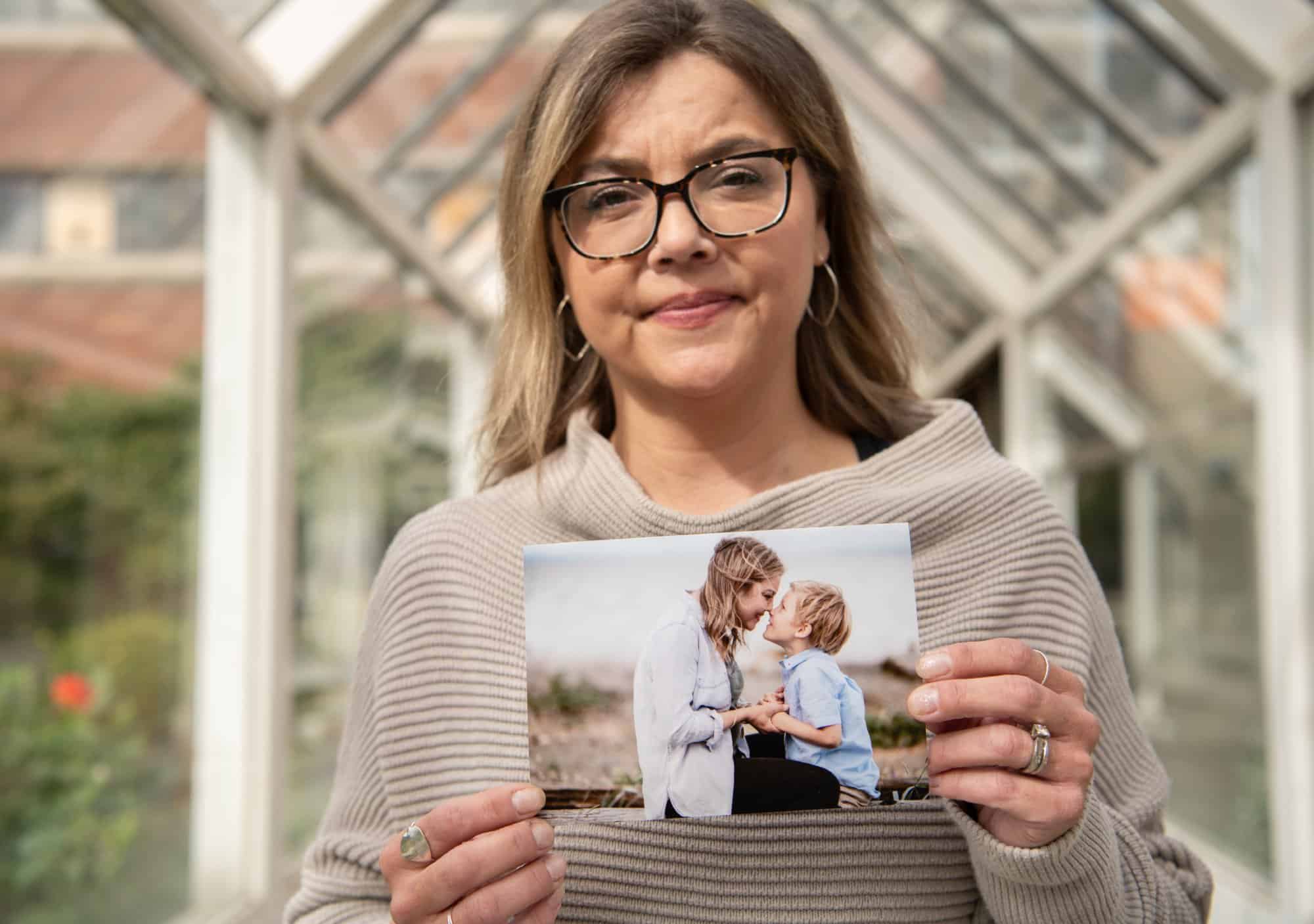
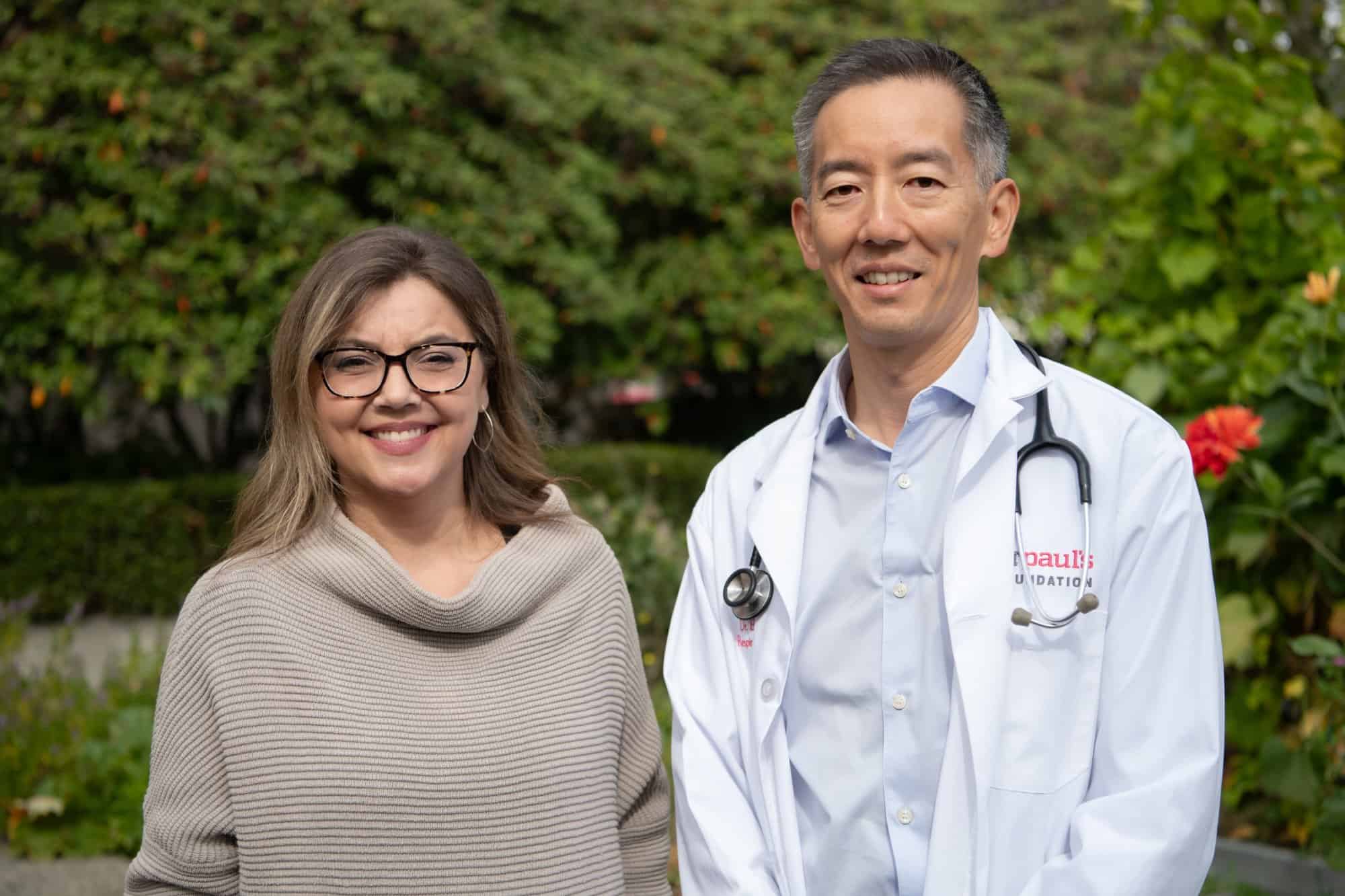
For CF patient Kim Wood, the new drug Trikafta has been life-changing from the first dose. “I started to feel that complete, unrestricted breath. It was astonishing because I had never felt like this, even when I was really young on a good, healthy day,” Kim recalls. “I was like, ‘Oh my gosh, this is what breathing is supposed to feel like’. It was absolutely mind-blowing.”
Kim Wood
Transformative drug trial helped Kim reclaim life, love, and motherhood.
Diagnosed with cystic fibrosis at 16 months, Kim Wood never truly knew what it felt like to take a full breath.
Thanks to her dedicated health care team and her parents’ careful commitment to a supportive health regime, Kim fared well during childhood and as a teen. In fact, she was so inspired by the caring treatment she’d received all her life she became a nurse.
While in her early 20s, Kim’s health took a downward turn. As her illness progressed, Kim experienced frequent lung infections that required hospitalization.
“I was almost spending more time in the hospital than out of it,” she says. “It was really challenging and overwhelming being stuck in a hospital room, having all of your control taken away from you.”
Still, life went on—Kim fell in love, got married, and planned for a family. Shortly after her son’s birth, Kim’s health deteriorated to the point where she was referred for evaluation at BC’s lung transplant clinic.
Then came Dr. Bradley Quon and his clinical trial for Trikafta. Fortunately, Kim was a prime candidate to try the drug. After decades of living with cystic fibrosis, Kim realized she could finally breathe—and live her life to the fullest.
“Every day, I feel grateful for having the privilege to take that medication and have it affect my body in the positive way that it has,” she says. “I don’t know if I would be here without Trikafta, and I don’t know if I would be able to be the kind of mom I’ve always wanted to be for my little boy.”
Prevention. Sooner
Prevention is a driving force in Dr. Quon’s CF research. Earlier detection can mean preventing damage to the pancreas and delaying the onset of diabetes, both common to people with CF.
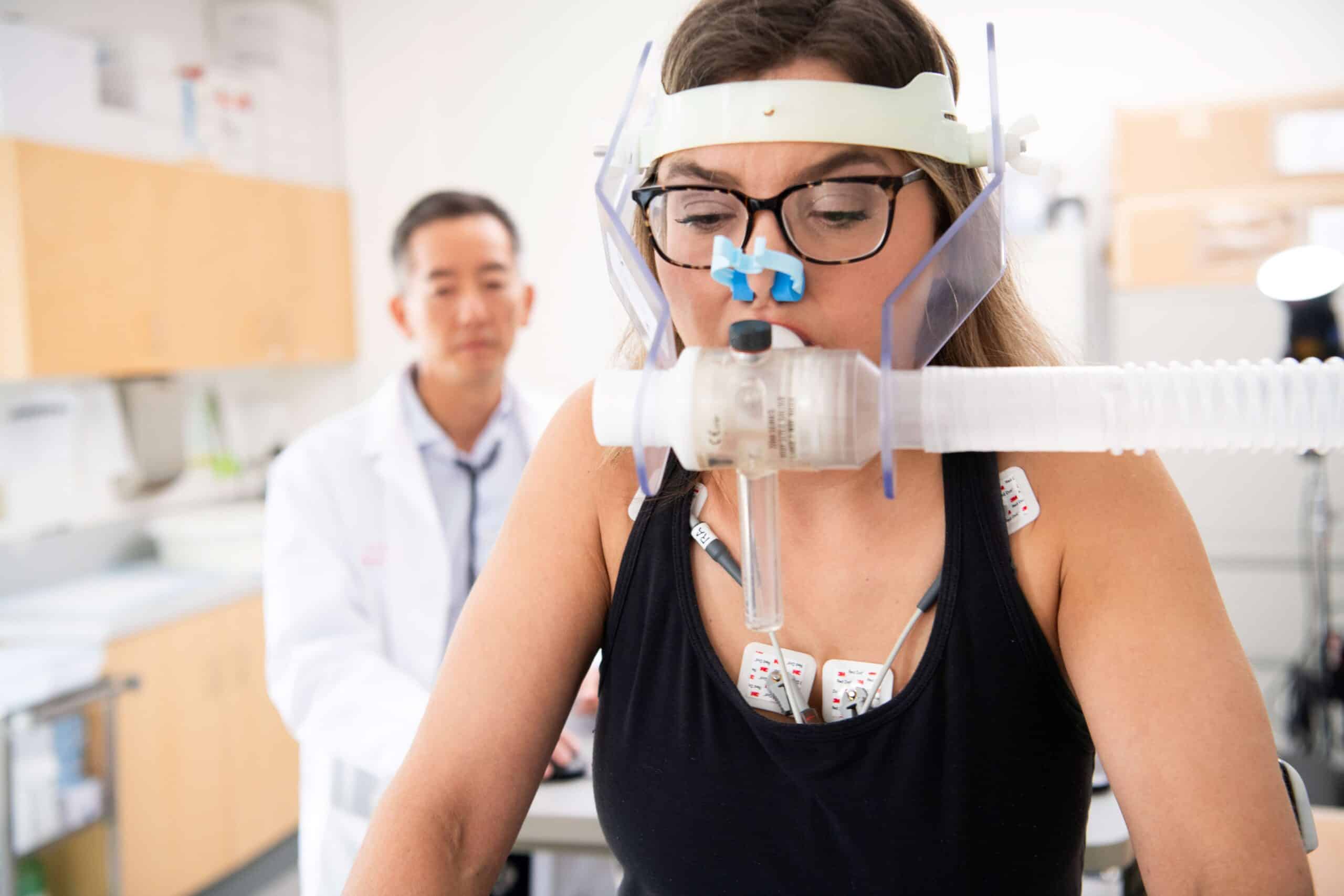
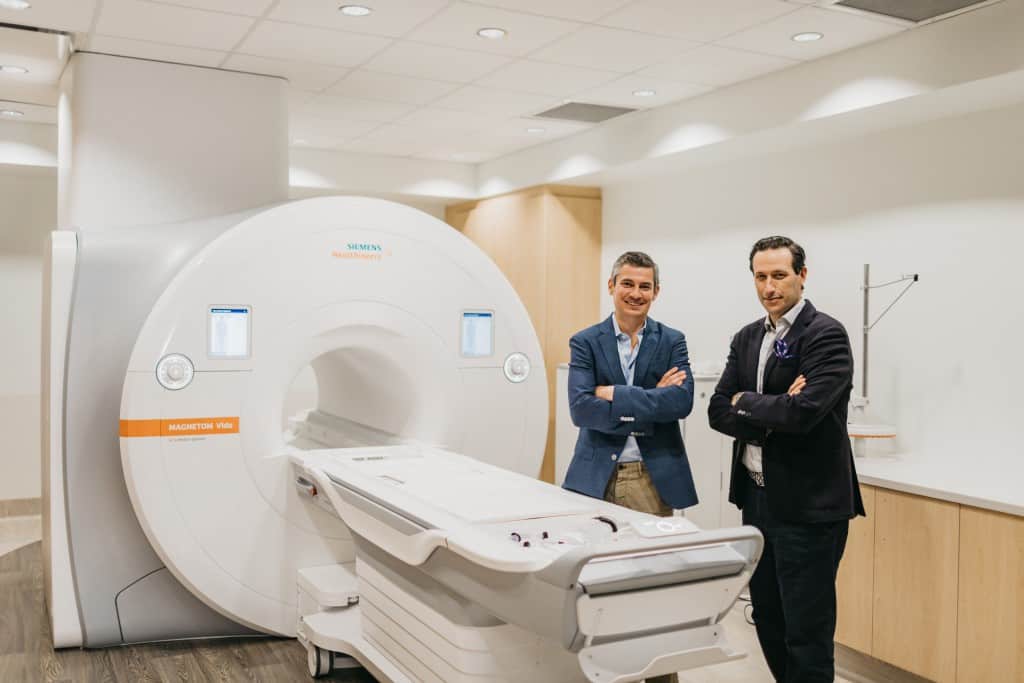
While lung function at 90% or less below normal has been the threshold for patients to gain treatment funding, researchers have determined CF is active long before that point is reached. Today at St. Paul’s, Dr. Quon is using highly sensitive Xenon MRI and exercise testing to detect response to Trikafta in cystic fibrosis patients with lung function greater than 90%.
Filling the gaps with precision medicine
Trikafta is a transformative drug, but it’s only approved for the 85-90% of patients who have the most common CF mutations. While it might work for the remaining 10-15%, patients with rarer mutations weren’t included in the original trial.
Dr. Quon is currently matching drug treatments, including Trikafta, to rare CF mutations based on testing patients’ nasal cells. His findings may broaden patient access to the drug, and pave the way for future solutions.
He’s also finding biomarkers that will enable clinicians to detect earlier if a patient is getting sick, or to determine if a patient is responding well to a particular drug treatment.
Once a reliable biomarker has been identified, it will be easier for doctors to diagnose and treat infection and inflammation in CF patients sooner, and to avoid use of an ineffective drug.
Dr. Quon’s research is a textbook example of translational research, the goal being to turn research discoveries into patient benefits – fast.

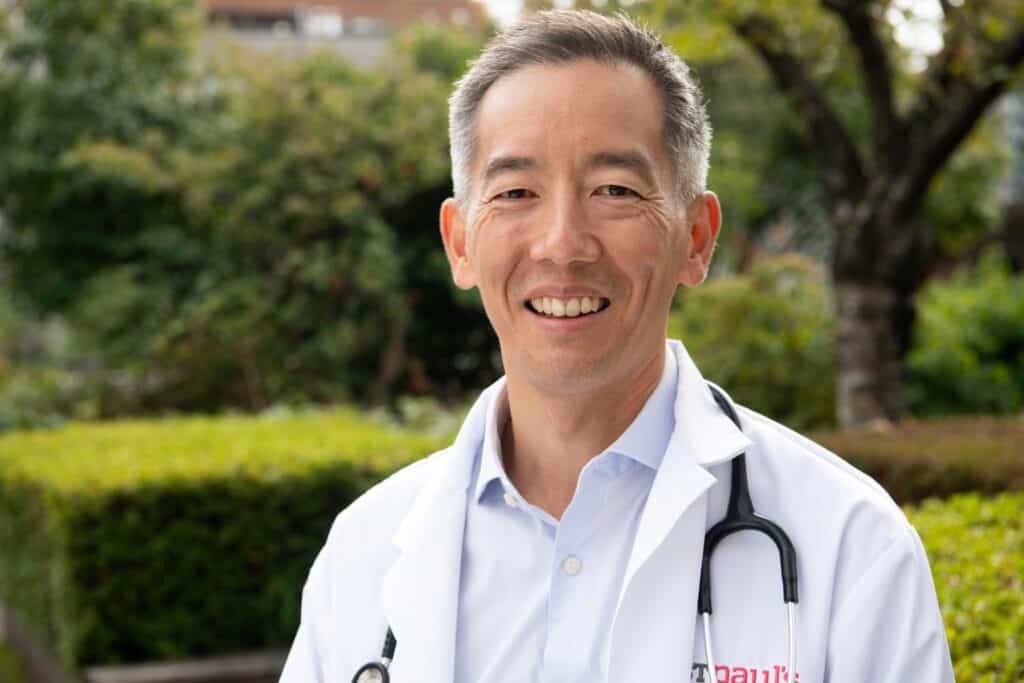
“It's truly a miracle breakthrough,” Dr. Quon says. “Seeing such a dramatic response right away is what any researcher would hope for, and that's the impact that research can have on our patient care. We've seen Trikafta fully change lives. Ultimately, we want to make CF stand for ‘cure found’.”
Dr. Bradley Quon
Respirologist, clinician scientist, and medical director of the St. Paul’s Hospital Adult CF Care Program
Pulmonary Fibrosis
Providing new hope for people with pulmonary fibrosis
Pulmonary fibrosis (PF) is a lung disease that occurs when lung tissue becomes damaged and scarred. As the relentlessly-growing scar tissue prevents your lungs from expanding, it becomes harder to breathe. The damage is irreversible and you don’t know you have it until it’s too late.
While PF can be caused by numerous factors, idiopathic PF (having no known cause) is most common. Treatment can slow the progression of the disease, but we haven’t discovered a cure – yet.
Fortunately for British Columbians, St. Paul’s Hospital is home to Dr. Chris Ryerson and his research team. Knowledge gained through this team’s research has changed the way PF is diagnosed and treated globally.
Between 2022 and 2023 alone, Dr. Ryerson has authored or co-authored close to 40 studies in the past year alone, which delivers benefits to patients living with pulmonary fibrosis worldwide. This also makes him one of the top two or three most productive PF researchers in the world.
“It’s easier to make a difference in a place like St. Paul’s Hospital where challenges are considered more as opportunities rather than barriers,” says Dr. Chris Ryerson, head of the Division of Respiratory Medicine, principal investigator, Centre for Heart Lung Innovation.
In addition to his research, which takes up over half his working hours, Dr. Ryerson runs a busy clinical practice and manages the administrative workload that comes with maintaining his research program, clinical work, and leading St. Paul’s Respiratory Medicine physician group.
He’s passionate about providing clinical care to patients, and he recognizes the essential role patients play as partners in his research efforts.


A leader in pulmonary fibrosis research
Enhancing early diagnosis, treatment, and quality of life
Dr. Chris Ryerson’s work both lays the foundation for further research and has a significant impact on patients’ quality of life today.
He’s collecting patient data, blood, and tissue samples for immediate and future analysis; and he’s improving our ability to diagnose pulmonary fibrosis in its early stages and to understand its progression so that the best treatments can be applied at the right time.
He leads the Canadian Registry for Pulmonary Fibrosis (CARE-PF), the largest registry of its kind. This robust registry and biobank form a resource that international researchers can draw on as research efforts into PF and other interstitial lung diseases (ILD) grow.
He is also focused on enhancing our ability to diagnose and manage ILDs. Early and accurate diagnosis and treatment of PF is critical to patients’ well-being. Since the lung damage caused by idiopathic PF is irreversible, a patient’s quality of life can be dramatically improved when they receive treatment early to slow the progression of the disease.
Dr. Ryerson’s team is looking for physical clues that indicate a PF patient is likely to develop hypoxemia (below-normal blood oxygen levels). They want to better understand its impact on patients with PF, and the ideal timing of treatments such as supplemental oxygen. The goal of this work is to help determine optimal timing of lung transplant.
Until there’s a cure for pulmonary fibrosis, early diagnosis and treatment is our best chance to improve the quality of life for people living with the disease.
Forefront of early lung cancer detection
How a brand-new lung nodule clinic is helping us detect lung cancer faster
Lung cancer is one of the top three cancers diagnosed in BC each year, and is the leading cause of cancer death in Canada. Unfortunately, the overwhelming majority of lung cancers are diagnosed late, when curative treatment is not possible.
Lung cancer frequently starts as small lung nodules. Lung nodule guidelines recommend that most patients who show lung nodules on their CT scan receive specialized clinical assessment. However, the lack of a structured clinical pathway for nodule assessments means assessments don’t always happen.
The result? Patients who had an early lung cancer present later on at a more advanced, incurable stage.
Our caring solution
Thanks to donor support, St. Paul’s Hospital launched a first-in-BC Lung Nodule Clinic in 2023 to provide rapid assessments for patients with potential lung cancer to receive diagnosis and treatment sooner.
Now, through a radiology-triggered process, if the radiologist interpreting a CT scan sees suspicious features for lung cancer, they can send a copy of that scan directly to the Lung Nodule Clinic, where the team reviews the case. If the findings indicate the presence of lung cancer, they reach out to the person who ordered the scan and offer the patient an expedited assessment, and reliable follow-up care with experts in the field.
With this structured and efficient clinical pathway in place, the clinic:
- Improves patient access to urgently needed assessments
- Detects lung cancer at an earlier, more treatable stage
- Reduces lung cancer mortality
In addition to improving early lung cancer diagnosis, this clinic will also support high-quality research needed to further improve the outcomes of patients with lung nodules.

“There is a psychological impact to be told you potentially have lung cancer, and to meet with someone quickly is more beneficial for their patient journey. We are able to be at the forefront of technology in diagnosing lung conditions, lung nodules, and early lung cancers.”
Dr. Scott Apperley
Clinical respirologist, St. Paul’s Hospital
Bright future of lung disease research
A re-imagining of health care research and delivery is urgently needed on a provincial, national, and global scale.
Positive change is driven by innovation. We have seen this time and time again at St. Paul’s Hospital, where innovative treatments and novel approaches pioneered here have had a life-changing impact.
We must act now to retain the expertise in respiratory medicine. Establishing professorships in pulmonary fibrosis and cystic fibrosis will help keep outstanding research and clinical care available for British Columbians.
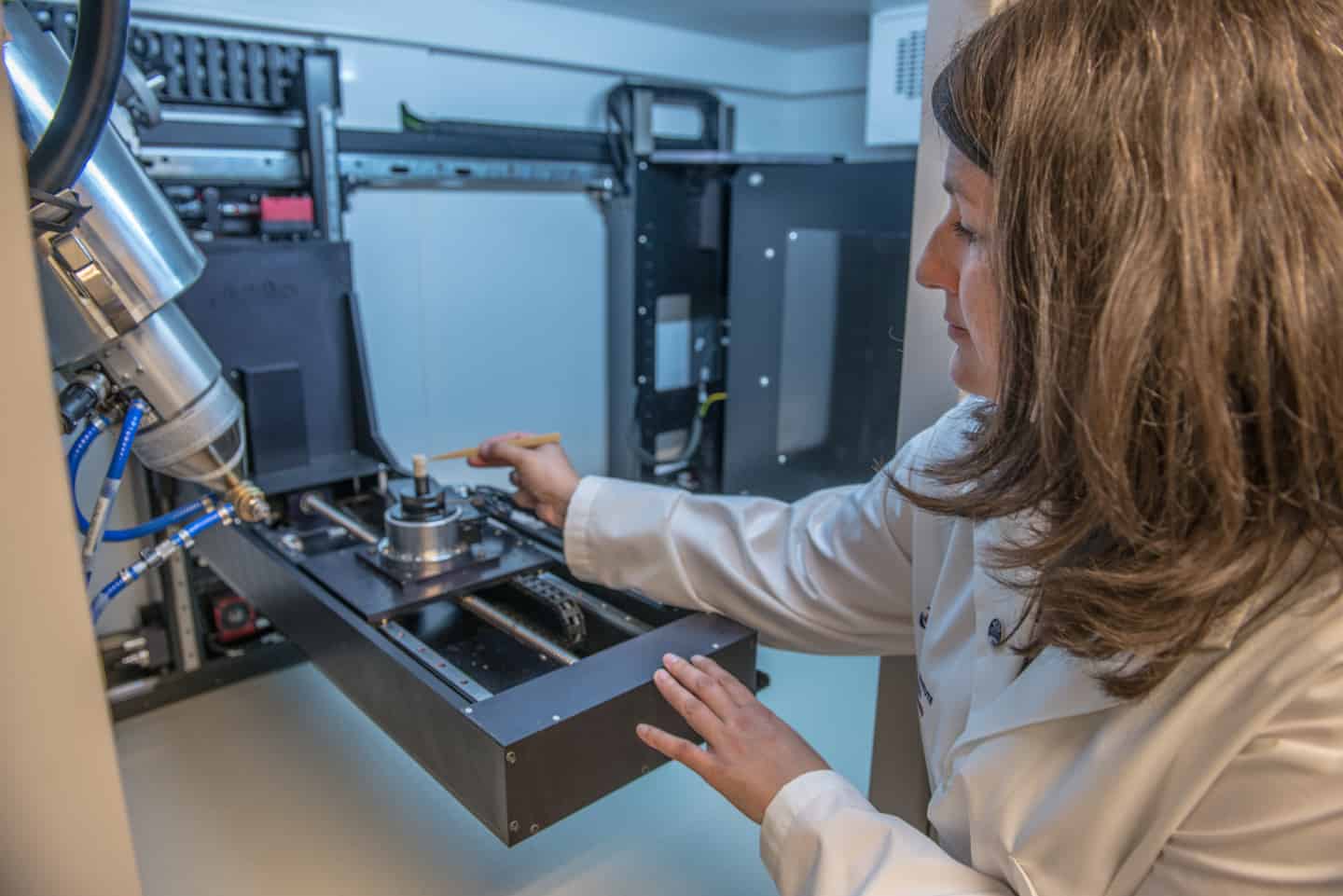
Every breath is precious. Lung disease research and care offers countless people a chance to live their fullest lives.
Read more
-

The Sky is the Limit
Diagnosed with cystic fibrosis (CF) at just three months old, Andrew Brownell raised money to support the CF Mental Health Fund. -
From figure skating to the frontlines
-
A new frontier in imaging at St. Paul’s Hospital
-

Octogenarian. Marathon runner. Guinea pig.
-
Respiratory Medicine: Delivering Hope
-

Story of Hope: Dennis Josey
-
My gift of 200 days: A Lights of Hope story
-
New mass spectrometry machine brings research closer to patient care